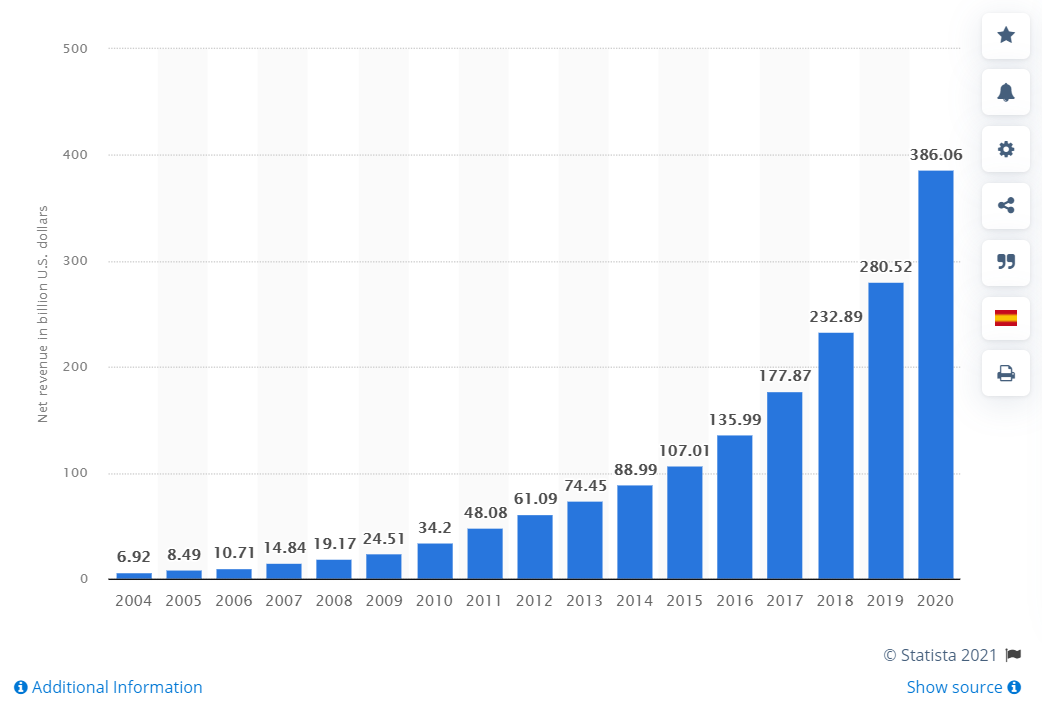
In the first quarter of 2021 alone, Amazon has amassed a record revenue of around $53 billion U.S. dollars. This is proof that Amazon is doing well even in the midst of the pandemic. Even in 2021, sellers are still flocking to Amazon to try and make money. And one of the most popular selling models today is Amazon retail arbitrage.
What Is Amazon Retail Arbitrage?
Amazon retail arbitrage is a selling model wherein the seller purchases products at a low price and sells them at a higher price to make a profit. It might sound complex at first, but it’s really just the basic buy-and-sell model. In layman’s terms, this is also known as “reselling”.
Sellers using this model often flock to discount retail stores such as Walmart or Target in order to get lower prices. Other online marketplaces such as eBay can also be a good place to start hunting for items to resell. The question of what is Amazon retail arbitrage has been frequently asked.
Amazon Retail Arbitrage vs Other Selling Models
There are many different types of selling models on Amazon. Third-party sellers can choose the model that works best for them based on their business size and needs. Below are some examples of the most popular selling models on Amazon today:
Dropshipping
Dropshipping is a selling model where the seller doesn’t stock up an inventory. Instead, the seller acts as a middleman between the manufacturer and the customer. When someone purchases from a dropshipping store, the seller forwards their order directly to the manufacturer of the product. The manufacturer is the one who fulfills this order under the name of the seller.
Private Label
A private label business is a store that sells generic products under its own brand name. With a private label, the seller has its own brand, packaging, logo, and marketing. Private label is also a popular selling model that gives sellers control over manufacturing costs. Because of this, profit margins can become high too.
Wholesale Selling
Wholesalers also get branded products from manufacturers, distributors, and suppliers, at a discounted bulk price, then resell them on Amazon.
Advantages of Amazon Retail Arbitrage
Amazon retail arbitrage has certain advantages over certain selling models, some of which are listed below:
Doesn’t Require Big Capital

Unlike wholesaling wherein you need to buy a big amount of inventory in order to make a profit, retail arbitrage doesn’t need big capital investment to start. With Amazon retail arbitrage, you can just stock up on what you can and resell it for a nice profit margin. There is no need to fill up a warehouse with your products.
Doesn’t Require Importation
In dropshipping, most profitable products are often sourced from China. With retail arbitrage, you can just source your items from your local retail stores. This will make it easier for you to source products locally.
Easier Quality Control
In dropshipping, there is no way for you to manually check your products. Because the products are shipped directly from the supplier to the customers, there is a possibility of damaged items. With Amazon retail arbitrage, you don’t have to worry about this. You can run a quality check on your items before sending them to your customers.
Disadvantages of Amazon Retail Arbitrage
While retail arbitrage is a great selling model, there are also disadvantages in using this model, such as:
Lower Profit Margin
While retail arbitrage doesn’t require a big capital investment, the profit margins are comparably lower. Since you are not getting your product directly from the manufacturer, you cannot bargain for lower bulk prices.
Consumes More Time
With retail arbitrage, you’ll have to scan a bunch of stores in order to find profitable items to sell. Because of this, you’ll spend a lot of time driving around your local area in search of the cheapest items to sell.
Non-Scalable
Since retail arbitrage is just reselling, you cannot really scale up your operations. You are largely dependent on other big brands for your products, unlike dropshippers or wholesalers.
Zonbase: Amazon Sellers’ Best Friend
So you want to know what the best products to sell on Amazon are? If you are aspiring to become a seller, access to an Amazon software tool is a must. A lot of tasks and processes in Amazon require information to make data-driven decisions. Tasks such as product research and cannot be accomplished by guesswork alone.
Having access to powerful third-party software tools such as Zonbase will give you all the information that you need. You can make informed decisions on what are the best products to sell, what are the possible profits, and how much is the estimated revenue just with a click of one button. From product research to listing optimization, Zonbase can help you all the way.
Sign up for a free Zonbase trial today.